
Blog
Understanding What Is THC-P: A Comprehensive Guide

Aug
THC-P is turning heads among cannabis researchers for a reason. This rare cannabinoid may be up to 33 times more potent than regular THC. Most people have never even heard of it, but a single molecule change could make it the most powerful compound in your vape cartridge.
Table of Contents
- Defining THC-P: The Basics You Need To Know
- The Importance Of THC-P In The Cannabis Landscape
- How THC-P Functions In The Body: The Science Behind It
- Comparing THC-P With Other Cannabinoids: Key Differences
- Potential Benefits And Considerations Of Using THC-P
Quick Summary
| Takeaway | Explanation |
|---|---|
| THC-P has higher potency than traditional THC | THC-P’s unique structure enables it to be up to 33 times more potent, offering more intense effects. |
| THC-P enhances receptor binding uniquely | Its 7-carbon side chain allows for more effective binding to cannabinoid receptors, particularly in the central nervous system. |
| THC-P may offer targeted therapeutic benefits | Research suggests that THC-P could provide more effective treatments for pain, neurological issues, and inflammation due to its enhanced interaction. |
| Responsible use of THC-P is crucial | Due to its increased potency, users should start with low doses and consult healthcare professionals for safety and to manage potential side effects. |
| THC-P challenges existing cannabinoid understanding | This emerging cannabinoid prompts a reevaluation of current knowledge about cannabis compounds and their physiological impacts. |
Defining THC-P: The Basics You Need to Know
THC-P represents a groundbreaking cannabinoid that has recently emerged in the cannabis research landscape, offering unique properties that distinguish it from traditional THC. This potent compound has captured significant attention among cannabis researchers and enthusiasts due to its extraordinary molecular structure and potential effects.
What Exactly is THC-P?
THC-P (Tetrahydrocannabiphorol) is a naturally occurring cannabinoid found in trace amounts within cannabis plants. Unlike standard delta-9 THC, THC-P features a distinctive molecular structure with a longer alkyl side chain, which dramatically impacts how it interacts with the human endocannabinoid system. According to research published in Scientific Reports, this unique structural difference allows THC-P to bind substantially more effectively to cannabinoid receptors in the human body.
Key characteristics of THC-P include:
- Significantly higher receptor binding affinity compared to traditional THC
- Potentially more potent psychoactive effects
- Naturally occurring in extremely small quantities within cannabis plants
Understanding THC-P’s Molecular Significance
The fundamental difference between THC-P and standard THC lies in its molecular structure. While traditional THC contains a 5-carbon side chain, THC-P features a 7-carbon side chain. This seemingly minor modification results in dramatically enhanced receptor interaction, potentially making THC-P up to 33 times more potent than conventional delta-9 THC. This increased potency suggests profound implications for both recreational and potential therapeutic applications.
Researchers are particularly intrigued by THC-P’s potential to provide more consistent and intense experiences, which could revolutionize understanding of cannabinoid interactions within the human body. The compound represents a fascinating frontier in cannabis science, offering insights into how minute molecular variations can significantly transform cannabinoid effectiveness and experience.
The Importance of THC-P in the Cannabis Landscape
THC-P represents a pivotal breakthrough in cannabinoid research, signaling a transformative moment in understanding cannabis compounds and their potential interactions with the human body. This emerging cannabinoid challenges existing paradigms about cannabis potency and physiological impact, offering researchers and enthusiasts unprecedented insights into molecular complexity.
Beyond Traditional Cannabinoid Understanding
Traditional cannabis research predominantly focused on well-known compounds like delta-9 THC and CBD. THC-P disrupts this established framework by introducing a dramatically different molecular interaction profile. Research from the National Institute on Drug Abuse suggests that novel cannabinoids like THC-P could revolutionize our comprehension of cannabis pharmacology.
Key implications of THC-P’s emergence include:
- Challenging existing understanding of cannabinoid potency
- Expanding potential therapeutic and recreational applications
- Revealing complex molecular interactions within the endocannabinoid system
Potential Therapeutic and Scientific Significance
The extraordinary receptor binding capabilities of THC-P suggest profound potential beyond recreational use. Scientists are investigating how this unique cannabinoid might offer more targeted and potentially more effective therapeutic interventions. Its enhanced molecular structure could provide insights into developing more precise cannabis-based treatments for various medical conditions.
Moreover, THC-P represents more than just another cannabinoid variant. Read our guide on high-potency cannabis experiences to understand how compounds like THC-P are expanding the boundaries of cannabis science and consumption. The compound’s remarkable properties demonstrate that minute molecular variations can dramatically transform our understanding of cannabis interactions, promising exciting future developments in both scientific research and potential medical applications.
How THC-P Functions in the Body: The Science Behind It
Understanding the intricate mechanisms of THC-P requires delving into the complex world of human neurochemistry and cannabinoid interactions. This remarkable compound demonstrates a sophisticated engagement with the body’s endocannabinoid system, presenting a nuanced approach to molecular interaction that goes far beyond traditional cannabinoid compounds.
Receptor Binding and Molecular Interaction
THC-P’s extraordinary potency stems from its unique ability to bind with cannabinoid receptors, particularly CB1 and CB2, with unprecedented efficiency. According to research published in the National Institutes of Health, THC-P’s molecular structure allows for dramatically enhanced receptor connectivity, potentially explaining its significantly stronger physiological effects compared to standard THC.
Key mechanisms of THC-P interaction include:
- Exceptional binding affinity to CB1 receptors in the central nervous system
- Enhanced potential for triggering neurological responses
- Unique molecular configuration enabling more robust receptor engagement
Neurological and Physiological Impact
The interaction between THC-P and the human endocannabinoid system represents a complex biochemical dance. By activating cannabinoid receptors, THC-P can potentially modulate various physiological processes, including pain perception, mood regulation, and neurological function. Explore our guide to high-potency cannabis experiences to understand the broader implications of these intricate molecular interactions.
Researchers are particularly intrigued by THC-P’s potential to provide more targeted and potentially therapeutic interventions. Its enhanced molecular structure suggests the possibility of developing more precise cannabinoid-based treatments, opening new frontiers in medical research and understanding human neurochemistry.
Comparing THC-P with Other Cannabinoids: Key Differences
The cannabis research landscape continues to evolve, with THC-P emerging as a groundbreaking compound that challenges traditional understanding of cannabinoid interactions. Unlike its well-known counterparts, THC-P presents a unique molecular profile that sets it apart from conventional cannabinoids, offering researchers and enthusiasts a fascinating new perspective on cannabis chemistry.
Molecular Structure and Receptor Interaction
When comparing THC-P to other cannabinoids, the most striking difference lies in its molecular architecture. Research from the National Center for Biotechnology Information reveals that THC-P features a seven-atom alkyl side chain, compared to the five-atom chain found in standard delta-9 THC. This seemingly minor structural variation translates into dramatically enhanced receptor binding capabilities, potentially making THC-P up to 33 times more potent than traditional THC.
Key comparative characteristics include:
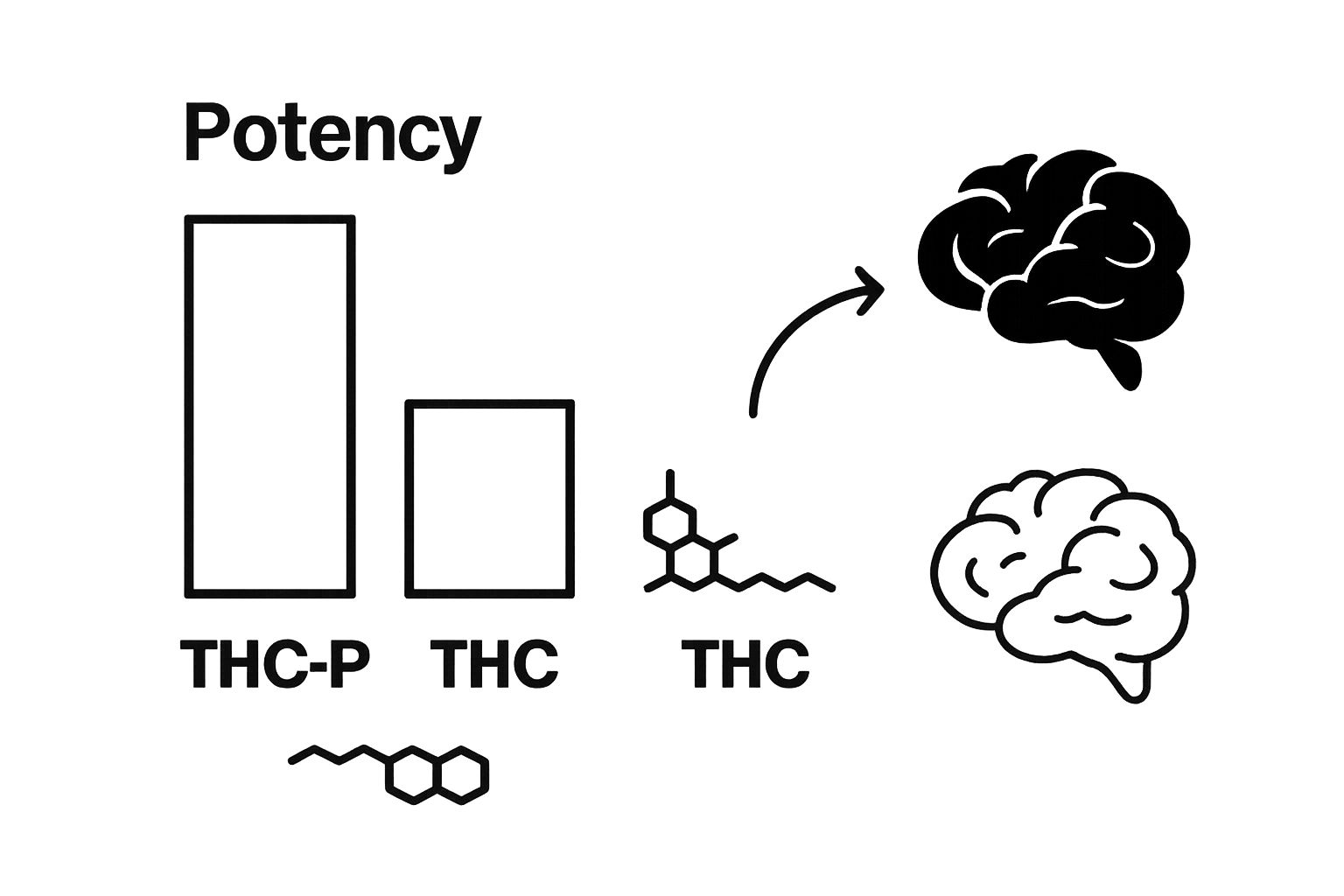
- Significantly higher receptor binding affinity
- More pronounced physiological effects
- Unique molecular configuration distinguishing it from other cannabinoids
Potency and Physiological Impact
Unlike CBD, which is non-psychoactive, or standard THC, which produces moderate psychoactive effects, THC-P represents a quantum leap in cannabinoid potency. Its extraordinary receptor interaction suggests potential for more intense and potentially more targeted therapeutic applications. Explore our guide to advanced cannabis experiences to understand the nuanced world of high-potency cannabinoids.
The emergence of THC-P challenges existing paradigms about cannabis compounds, demonstrating that minute molecular variations can profoundly transform a cannabinoid’s interaction with the human body. Researchers remain excited about the potential implications of this remarkable compound, seeing it as a critical piece in understanding the complex landscape of cannabis chemistry and its potential medical applications.
To help readers quickly understand how THC-P compares to other major cannabinoids, the following table summarizes key differences in molecular structure, receptor binding, psychoactivity, and typical applications.
| Cannabinoid | Molecular Structure | Receptor Binding Affinity | Psychoactivity | Typical Applications |
|---|---|---|---|---|
| THC-P | 7-carbon side chain | Significantly higher (up to 33x THC) | Extremely potent | Emerging: pain, neurological function |
| Delta-9 THC | 5-carbon side chain | Standard | Moderate | Recreational, some therapeutic |
| CBD | 5-carbon side chain | Low (minimal to CB1/CB2) | None | therapeutic (non-psychoactive) |
Potential Benefits and Considerations of Using THC-P
As THC-P emerges as a promising cannabinoid, understanding its potential benefits and critical considerations becomes paramount for responsible consumption. This complex compound offers intriguing possibilities while simultaneously demanding careful, informed approach from users and researchers alike.
Therapeutic Potential and Medical Applications
Research from comprehensive medical studies suggests THC-P could offer significant therapeutic potential, particularly in managing chronic conditions. Its enhanced receptor binding capabilities hint at more targeted and potentially more effective interventions compared to traditional cannabinoids. Researchers are particularly excited about its potential applications in pain management, neurological function, and potential anti-inflammatory responses.
Key potential therapeutic benefits include:
- Enhanced pain management capabilities
- Potential neurological function improvement
- Possible anti-inflammatory properties
- More targeted physiological interactions
Safety Considerations and Responsible Use
While THC-P presents exciting possibilities, responsible consumption requires understanding potential risks and limitations. The compound’s significantly higher potency compared to standard THC means users must approach consumption with heightened awareness. Potential side effects could include intensified psychoactive experiences, temporary cognitive alterations, and more pronounced physiological responses.
Explore our guide to advanced cannabis experiences to understand the nuanced approach required when exploring high-potency cannabinoids. Responsible users should start with minimal doses, understand personal tolerance levels, and consult healthcare professionals before incorporating THC-P into their wellness routine.
The ongoing research surrounding THC-P underscores the importance of continued scientific investigation. While initial findings are promising, comprehensive long-term studies are necessary to fully comprehend its complete range of effects, potential medical applications, and any associated risks. The cannabinoid research landscape continues to evolve, offering exciting possibilities for future therapeutic interventions.
For a clear overview of the therapeutic and safety considerations associated with THC-P, the following table organizes the key potential benefits and important considerations mentioned in the article.
| Aspect | Details |
|---|---|
| Pain Management | Enhanced receptor binding may provide stronger pain relief |
| Neurological Function | Potential improvement in neurological symptoms due to targeted interaction |
| Anti-Inflammatory Effects | Possible reduction in inflammation |
| Dosing Considerations | Requires cautious, low starting doses due to significantly higher potency |
| Side Effects | May include stronger psychoactive responses, temporary cognitive changes |
| Safety Precautions | Understand personal tolerance, consult healthcare professionals prior to use |
| Research Status | Long-term effects still under investigation |

Ready to Experience the Power of THC-P for Yourself?
If you are fascinated by the science and potential benefits of THC-P discussed above, you might be wondering how to actually try this potent cannabinoid or other advanced cannabis compounds safely and conveniently. Many readers want a reliable source that matches rigorous standards for quality, safety, and clear potency labeling. At ShopTorchGummies.com, we solve these challenges with our premium cannabis edibles, including options featuring minor and emerging cannabinoids. Every product page provides lab testing details, transparent dosing info, and helpful educational guides.

It is time to transform your curiosity into an elevated cannabis experience. Browse our extensive catalog to discover flavors and potency levels tailored to your needs. Whether you are exploring high-potency cannabinoids or seeking a more controlled introduction, ShopTorchGummies.com offers trusted choices for both new and knowledgeable users. Do not wait to see how the latest in cannabinoid science can fit seamlessly into your wellness or recreational routine. Find your perfect gummy and learn more today.
Frequently Asked Questions
What is THC-P?
THC-P, or Tetrahydrocannabiphorol, is a naturally occurring cannabinoid found in cannabis plants that has a unique molecular structure, making it potentially up to 33 times more potent than traditional delta-9 THC.
How does THC-P interact with the human body?
THC-P binds more effectively to cannabinoid receptors, particularly CB1 and CB2, allowing for stronger physiological effects and potentially impacting processes like pain perception and mood regulation.
What are the potential benefits of using THC-P?
THC-P may offer therapeutic benefits such as enhanced pain management, improved neurological function, and anti-inflammatory properties due to its superior receptor binding capabilities compared to standard cannabinoids.
What are the safety considerations when using THC-P?
Due to its higher potency compared to traditional THC, users should approach THC-P with caution. Starting with lower doses, understanding personal tolerance, and consulting healthcare professionals are advised for responsible use.
Recommended
- Torch Gummies: High-Potency Delta 9 THC Edibles
- TORCH HAYMAKER GUMMIES – TORCH GUMMIES
- TORCH HULK GUMMIES 15,000 mg | Live Resin D9 + THCP
- TORCH DIAMOND DROPS – TORCH GUMMIES
Article generated by BabyLoveGrowth
